Blog

The Ultimate Guide to Window Painting: What Paints to Use & How to Remove Them
Want to paint your classroom or home windows for the holidays but not sure which paint to use? This complete guide breaks down the best paints for window art—including tempera, acrylic, latex, chalk markers, and Posca pens, and explains exactly how to remove each one from glass. Whether you’re creating classroom window murals, holiday displays, or seasonal business art, you'll find expert tips on choosing the right paint, making your designs look vibrant, and cleaning it all off with ease. Perfect for teachers, parents, and artists looking for easy window painting ideas and simple cleanup methods.
Learn more
How to Make a Textured 3D Tree for Your Classroom or Art Show
Creating a large, textured tree is a beautiful, dynamic project that can be used year after year to create an immersive experience for an art show or your classroom. Whether you're celebrating the seasons, creating a backdrop for an art exhibit, or just looking to add some creative flair to your space, this DIY tree project is a perfect fit. Here’s how to make it step-by-step. Materials Needed: Painter's tape Brown kraft paper Foil (for texture) Hot glue gun Brown paper towels (for paper mache) Paper mache paste (homemade or Elmer's glue paste) Cheap green plastic tablecloths Paper clips or binder clips Pool noodles (optional for branches) Streamers or twisted green bulletin board paper (for vines) Paint and brushes (for embellishments) Step 1: Set the Base Start by finding a column or bump-out wall space to use as the tree's base. Secure brown kraft paper onto the wall with painter's tape to form the trunk of the tree. This will provide a sturdy foundation for the rest of your project. Step 2: Add Texture with Foil Crinkle some strips of foil and hot glue them onto the kraft paper base. This adds texture and gives the tree a more sculptural, realistic look. Foil is lightweight but can still give the appearance of rough bark or tree texture. Step 3: Paper Mache the Trunk Next, use strips of inexpensive brown paper towels (perfect for this project and commonly found in schools!) to create a paper mache layer over the foil. Dip the strips into paper mache paste (you can either make it yourself or use Elmer's glue paste) and apply them over the crumpled foil. This layer adds both texture and strength to the trunk. Step 4: Create the Tree's Leaves For the leaves, use green plastic tablecloths from the dollar store. These are cheap, easy to work with, and have a nice flowing texture. Attach the tablecloths to the ceiling using paper clips or binder clips, letting them hang down to form the main body of the tree’s leaves. Step 5: Make Vines to Hang from the Tree Create some fun vines by twisting green bulletin board paper, streamers, or strips of tablecloths. Drape them around the tree to give it an extra layer of whimsy and realism. You can even have your students help create these in bulk for efficiency! Step 6: Add Branches with Pool Noodles If you'd like to add branches to your tree, pool noodles work wonderfully. Cut them to the desired length, then wrap them in crumpled kraft paper and secure them using hot glue or more paper mache. This makes for flexible, lightweight branches that can be arranged however you like. Step 7: Embellish the Tree Trunk Once the basic structure is in place, it’s time for some finishing touches! Use a dry brush technique with different shades of brown paint to add texture to the trunk. You could also paint in a critter in a hole in the tree, or get creative with other ideas to personalize the look. Step 8: Bonus – Reuse Your Tree for Different Celebrations One of the best parts about this project is that it’s versatile! You can reuse the tree year after year for different themes or school events. For example, I used this tree as part of a Mister Rogers-themed art show. The possibilities are endless when you think about how to incorporate the tree into different celebrations or art show themes! This DIY tree is a fun way to add a creative element to your space, and the best part is it can be used for multiple purposes throughout the year. From art shows to classroom decor, it’s sure to be a hit! Happy crafting!
Learn more
Window Painting 101: How to Paint Festive Windows at School or Home
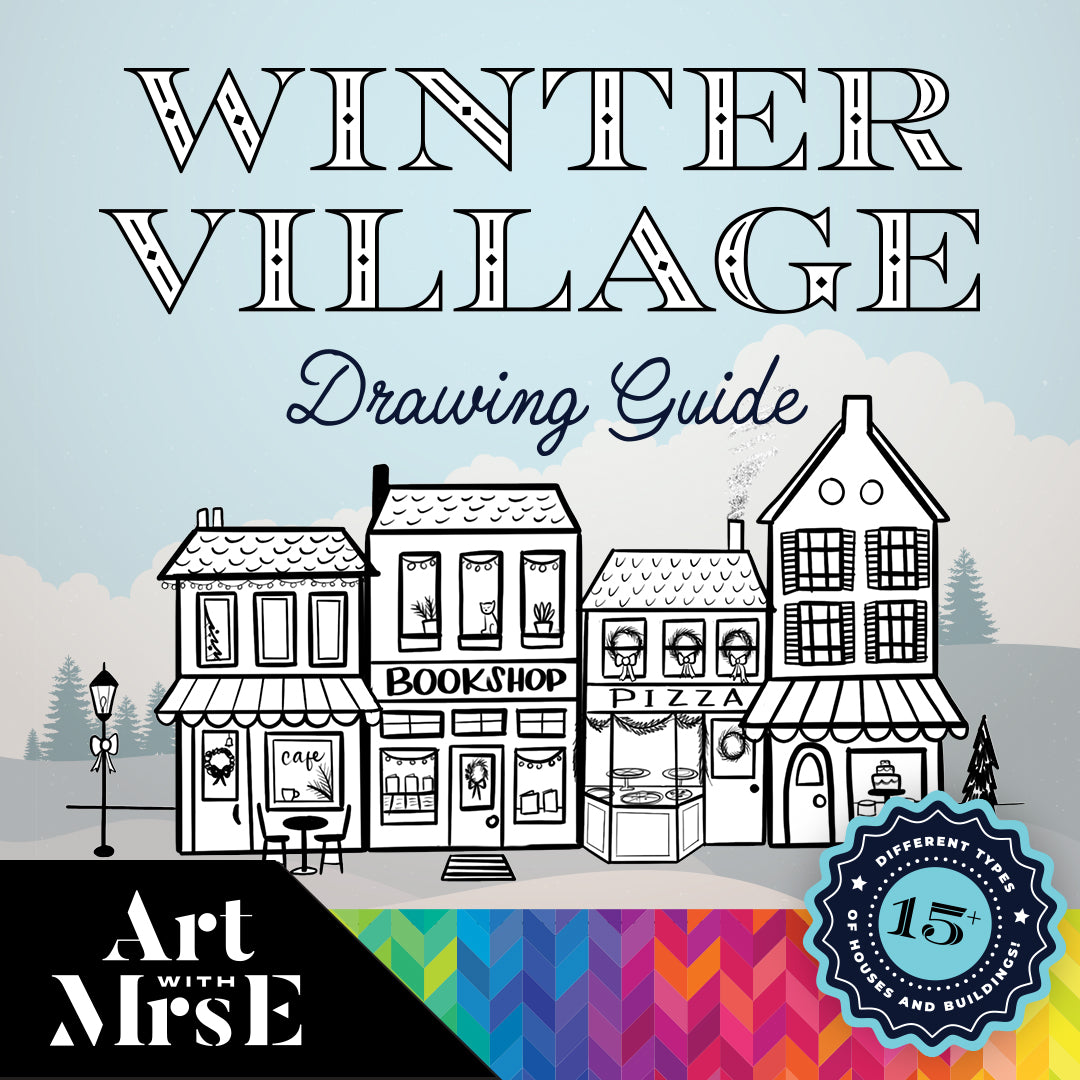
One of my favorite ways to spread holiday cheer throughout my school community has been to paint the windows. Painting the windows in your classroom, front office, library, wherever is such an amazing way to make a BIG impact with just a little time and paint. This is also a fun way to involve your students in a community based art project (if the imagery is simple enough!) Today I want to share all I know about window painting, share my process, as well as answer some of the questions I have received over the years when it comes to painting windows. So let's go! How to Paint Windows for the Holidays: In this blog, we'll guide you through the creative process of painting your windows, adding a personalized touch to your surroundings that captures the magic of the holidays. Gather Your Supplies: Before diving into your holiday masterpiece, gather the necessary supplies. You can honestly use many different times of paint/ markers to decorate the windows. I prefer to use tempera paint as it just washed right off! I love Crayola Premier paint. However, you can also use water based acrylic paint, paint pens, or chalk markers! Choose a color palette that perhaps compliments the surrounding area/ decor, or you can keep is classic and simple and just use all white! Sketch/ Gather Inspiration For Your Design: Start by sketching your design on paper to visualize how it will look on your windows. It would be just something real quick to help you with layout, and then you can reference other imagery while you work. You could consider more classic holiday imagery like snowflakes, ornaments, or festive landscape. You could also choose to paint some of the iconic holiday characters around this time of year- I have loved painting My favorite imagery has been painting a winter village. It's festive yet not specifically Christmas. I recently painted the windows at my local library and opted to paint a woodland creatures winter scene, as they had expressed they would like the leave the windows up throughout the winter, not just December. Here is a step by step tutorial for painting your own winter burrow scene from a recent blog post. You can find a link to my drawing guide for winter village drawing guide here, as well as my woodland creatures guide here. Prepare the Windows: If your windows are notably dirty, it would probably be a good idea to clean them before painting! You also might want to lay down a drop cloth, or just a poster board along the window ledge to catch any paint drips. Get Painting: With your design in mind and your windows prepped, it's time to bring your vision to life. If you want to begin with the end in mind- and would like to use a scraper to take the window paint off, you can add a pump or two of dishsoap to the paint for easy clean up! Now, just keep in mind, the more soap you add, the thinner/ more diluted your tempera paint will be. If you would like paint that is more opaque, then just use the tempera paint as it is. Gather a mixture of brushes to vary line thickness. I like having a few brushes of each size/ shape. I mostly end up using flat brushes to paint windows. I use large + medium flat brushes for painting in larger areas, and medium + smaller round brushes for smaller details. Once you get painting you will discover what brushes work best for you! * A few other things to note about the painting process: * If you are planning on making your windows visible from both sides of the window, you need to consider your process. If you use only one color (like the white for the winter village) you will be fine! Everything will be drawn in a monoline and perfect from all sides of the window. However, if you are painting a character or scene with more colors and wish to have a black outline, you will need to start with the black outline of your scene first. Typically when we paint, we block in shapes first and then add the black details on top so they are visible- but if you would like your windows to be viewed on both sides, you will need to: 1. Paint the black outline first. 2. Paint in the colors of the shapes as if you are working on a coloring book page. Meaning- do not paint over the black outlines, as this will move/ smudge the black paint and mix it into your colors. Only paint in the negative spaces in and around the black outline.Then, once evetything is painted in, you can add a bit more black on top to clean up/ darken your black outlines. Just be sure to wait for the paint to dry so it doesn't move/ you don't pick the paint back up. If you are going to blend colors, you will need to blend as you paint, and while the paint is wet! Once you let tempera paint dry on the window, if you try to paint over it, it will be darker, look splotchy and not look as clean as if it were all painted in one layer. Try to avoid layering as much as possible on windows, unless you are using acrylic paint and don't plan on making your windows viewable from both sides. Here is an artist, Lindsey Morales who paints windows for the season on business's windows. She uses interior acrylic house paint and paints a base layer of white first and then builds up her painting like she would on a canvas or mural- but note: her paintings aren't viewable from the inside of the building, as all you would see is the white base layer. 5. Share the Joy: Your painted windows are sure to bring smiles to those passing by. Share the joy with your community by taking photos and sharing them through your newsletter or social media. You can consider organizing a window-painting event with your students to make it a shared experience. There is no better feeling than knowing you are spreading joy for other's to enjoy- what a special feeling you can share with your students. 6. Clean-Up and Removal: When the holiday season comes to an end, remove the window paint using a damp cloth or window cleaner. Washable window paint is designed to come off easily, leaving your windows clean and ready for the next creative endeavor. If you used soap in your tempera paint you can use a large paint scraper to scrape the paint off the windows. You can also use a paint scraper to take to acrylic paint off, you just have to spray the paint with water first to loosen the paint. Here is the window scraper I recommend! Painting your windows for the holidays is a wonderful way to express your creativity, spread festive cheer, and bring a touch of magic to your surroundings. Whether you're creating a winter wonderland or a scene straight from your imagination, let your holiday spirit shine through your painted windows to spread joy and love to others! Happy Creating!
Learn more
Animal Rescue Art Show | Teaching "Art Making For Others"
This was one of my absolute favorite, most beautiful and meaningful art projects I have ever done! As a dog love and rescue advocate, to be able to teach my students how to use their art to inspire change and hope to help others has been the most rewarding experience as a teacher. Click here to read about how my students created art for our local animal shelter that raised money and filled hearts!
Learn more
DIY Waterfall Display for an Art Show
Let's learn how to make a DIY waterfall display for a school wide art show. Here you will find the simple steps and materials used to create an area of interest that is sure to elicit all the "oohs and ahhhs" at your next art show! A water element is an fun and interactive way to lure your art show guests in as they enjoy the beautiful art around them!
Learn more
10 Items Every Art Teacher Needs to Make Your Art Show *extra* Special
Attention art teachers in need of help in putting on an art show- I have you covered! In this blog I am sharing all of the essential materials, methods and more to ensure the success of your school wide art show!
Learn more
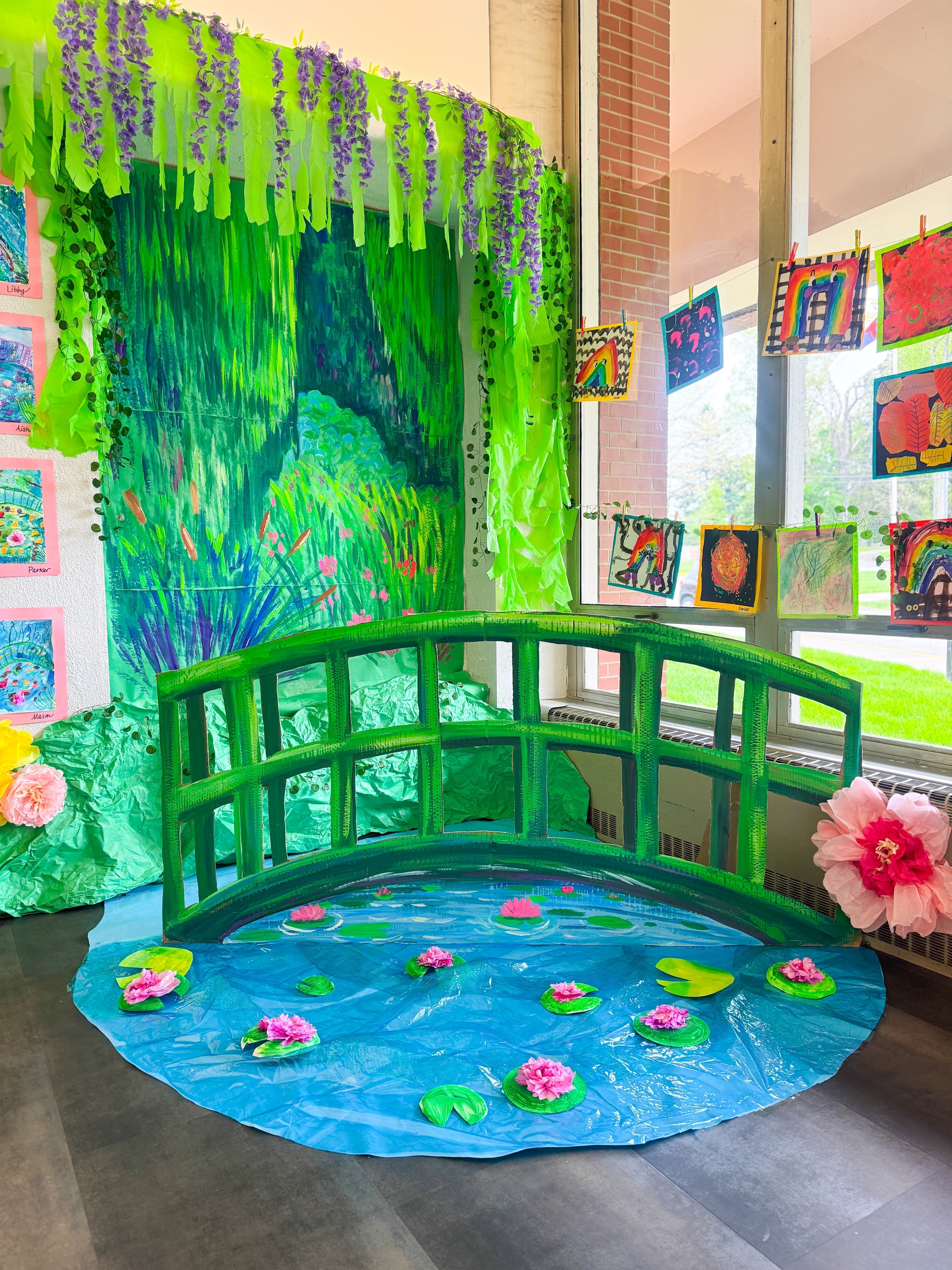
A Night In Monet's Garden || Elementary Art Show Inspiration
Looking for inspiration to put on a spring art show? Check out this art show themed around "A Night in Monet's Garden". An art show filled with color, beauty, and created with lots of love and collaboration!
Learn more
The BEST Way to Hang Student Art for an Art Show!
Looking for the most efficient way to hang student artwork for a school wide art show? Well look no further! Click through to follow the 6 easy steps that will save your time and your sanity and are art teacher approved!
Learn more
Dot Day Rainbow Display
Looking for the perfect collaborative art project for Dot Day? Celebrate creativity, courage, and school-wide connection with this Rainbow Dot Day Display inspired by The Dot by Peter H. Reynolds. Ideal for elementary art teachers, this vibrant monochromatic display uses simple materials like oil pastels, watercolor, and tempera to help students explore color theory and radial design. It's one of my most recreated Dot Day art lessons—sure to wow your school community and get everyone talking!
Learn more
Simple Portrait Back-to-School Bulletin Board
Need an Easy Back-to-School Bulletin Board Idea?Looking for a fun and meaningful way to fill your empty bulletin boards at the start of the school year? This creative self-portrait display was inspired by my own students—and made using my Simple Self-Portrait Drawing Guide! With just bulletin board paper, India ink, and a little imagination, I created life-sized illustrations to frame student artwork and build community right from day one. This project is low-prep, high-impact, and guaranteed to spark smiles!
Learn more